

L’Chayim Living is the first of its kind, a platform dedicated to enriching the lives of the elderly, infirm and disabled through care, wellness and mobility. Rooted in tradition and driven by innovation, we support Jewish individuals and families across all life stages, online, in print, and in person.
The Convenience and Use of Mobility Scooters
With a Story from Ruth G.
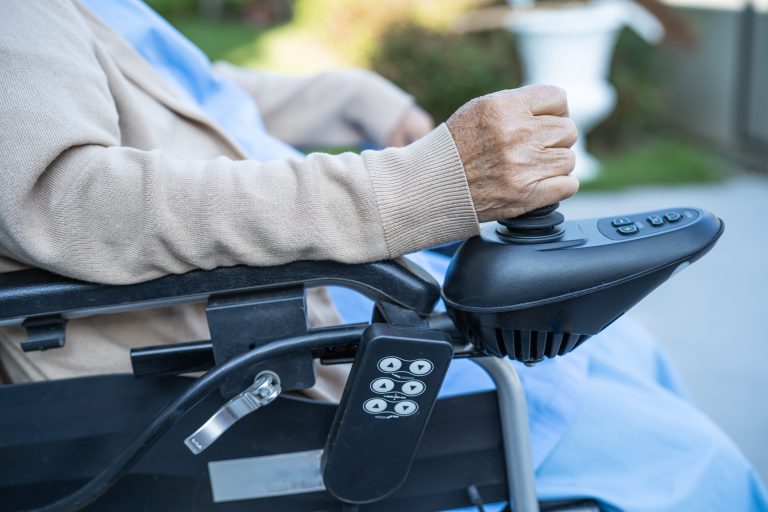
Mobility scooters have become an essential means of independence for many individuals with limited mobility, offering a convenient and reliable way to navigate daily life. Whether for short errands, trips to the park, or simply moving around the home or neighborhood, these scooters provide a sense of freedom and confidence to users who might otherwise face physical limitations.
Designed for ease of use, mobility scooters are typically battery-powered, with simple controls and adjustable seating to ensure comfort and accessibility. Many models are foldable or compact, making them suitable for both indoor use and easy transport in a car boot. Some even come with features like baskets, headlights, and suspension for added safety and practicality.
For elderly individuals, those recovering from injury, or anyone with chronic mobility challenges, scooters reduce the physical strain of walking long distances and help maintain social connections by making outings more feasible. Ultimately, mobility scooters enhance quality of life by supporting autonomy, reducing reliance on caregivers, and enabling people to remain active participants in their communities.
Ruth G’s Story: “I’d Be Lost Without Mine”
For Ruth G., a resident at Lindham Lodge Care Home, her mobility scooter is more than a piece of equipment—it’s a lifeline.
“I’d be lost without mine,” Ruth says with a smile. “It’s my legs, my wings, and my independence all rolled into one.”
After undergoing hip surgery two years ago, Ruth found walking painful and exhausting. For a while, she felt cut off from the world outside her window. But everything changed when she got her mobility scooter.
“Now I can go to the corner shop on my own, visit the garden whenever I like, and join my friends for tea in the conservatory without needing to wait for someone to help me,” she explains. “It gave me back my freedom.”
Ruth also shared how the scooter allows her to attend weekly coffee mornings and even venture into town on sunny days. “It’s not just about getting from A to B,” she adds, “it’s about feeling like me again.”
Her story is one of many that show how a simple mobility aid can transform a life, providing not just convenience, but dignity, confidence, and joy.
The Advantages of Converting Cars for Mobility in the UK
In the UK, personal mobility plays a crucial role in fostering independence, especially for individuals with disabilities or long-term health conditions. One increasingly popular solution is converting standard vehicles into mobility-adapted cars. These adaptations offer numerous benefits, improving access, safety, and quality of life.
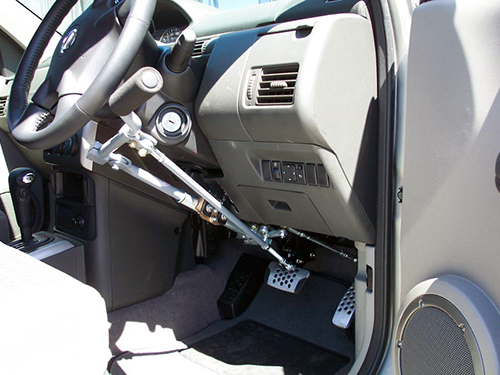
The primary advantage is independence. Mobility-converted vehicles allow individuals to travel without relying on public transport or carers, whether commuting to work, attending appointments, or visiting family. With features such as hand controls, wheelchair lifts, and lowered floors, these vehicles provide practical, everyday freedom.
Adapted cars can also be tailored to meet individual needs. Whether it’s fitting a hoist for a wheelchair, modifying driving controls, or creating space for an electric scooter, conversions are designed to match the user’s specific requirements. This ensures the vehicle is comfortable, accessible, and easy to use.
In the UK, safety regulations for mobility vehicles are robust. Converted cars are fitted with equipment that meets strict Motability and DVLA standards, such as secure wheelchair restraints and adapted steering systems. These features offer both drivers and passengers peace of mind.
Importantly, adapted vehicles promote greater inclusion. With access to reliable personal transport, disabled individuals are better able to participate in work, education, healthcare, and social activities—contributing to a more equal and inclusive society.
Support is available through the UK’s Motability Scheme, which helps eligible individuals lease adapted vehicles using their mobility allowance. Grants are also offered by charities and local authorities to assist with conversion costs.
In summary, vehicle conversions are a valuable investment in independence, dignity, and social inclusion. In the UK, where support and funding options are available, adapting a car for mobility is a powerful way to enhance everyday life for those with mobility needs.
The Advantages of Easy-Access Baths and Showers in the UK
Easy-access baths and showers offer a range of important benefits for people with reduced mobility, older adults, and those with disabilities. In the UK, where an ageing population and a strong focus on independent living are key concerns, these adaptations are becoming increasingly common in homes, supported housing, and care facilities.
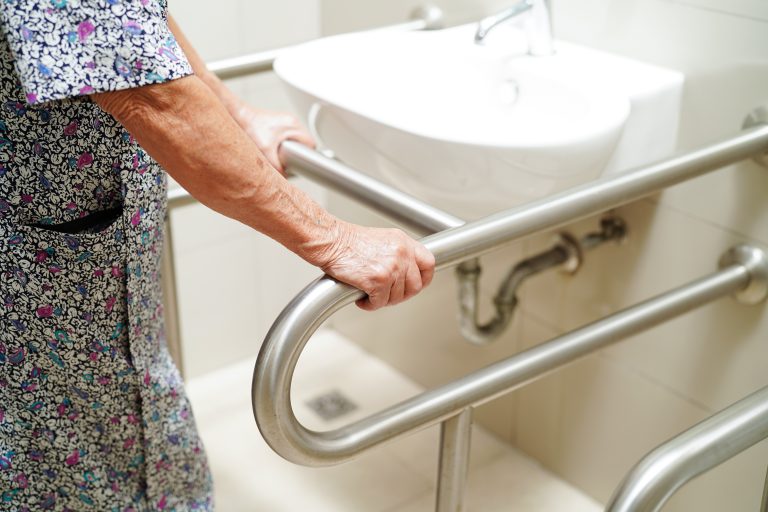
The most immediate advantage is safety. Slippery surfaces and high bath edges can be major hazards, especially for those with balance or strength issues. Easy-access options—such as walk-in baths, level-access showers, and anti-slip flooring—significantly reduce the risk of trips and falls. Many also include features like grab rails, fold-down seats, and thermostatic controls to prevent scalding.
These installations also support independent living. By making bathing safer and easier, people can maintain their personal hygiene with minimal or no assistance. This promotes dignity and privacy, while also reducing reliance on carers or family members. For many, the ability to bathe without help has a positive impact on mental health and self-esteem.
Comfort and accessibility are central to these designs. Walk-in showers with wide doors or curtainless entrances make access easier for wheelchair users and those with mobility aids. Walk-in baths often come with built-in seating, making it easier to get in and out without strain.
In the UK, financial support may be available for home adaptations through local authorities, especially under the Disabled Facilities Grant (DFG). This helps eligible individuals cover the cost of installing accessible bathing solutions.
In conclusion, easy-access baths and showers provide practical, emotional, and health-related benefits. By enabling safe, comfortable, and independent bathing, these adaptations contribute to a higher quality of life and allow people to remain in their own homes longer—an increasingly important goal across the UK.
Stairlifts
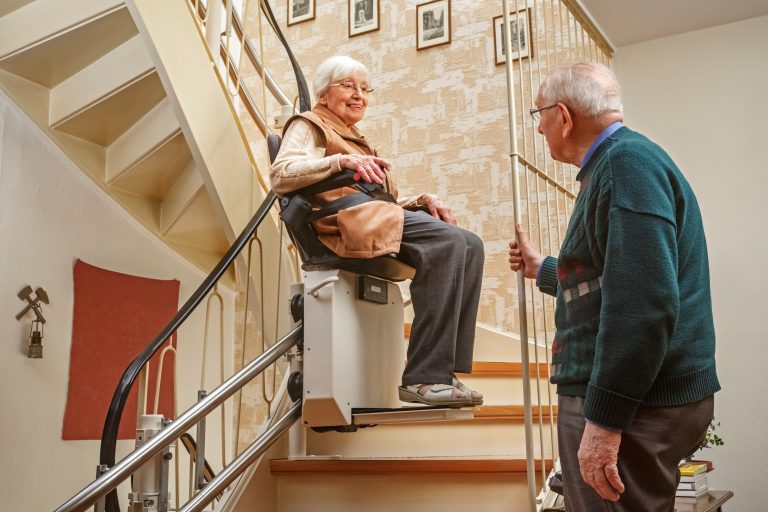
Stairlifts are a practical and life-enhancing solution for people with limited mobility, offering a safe and reliable way to navigate between floors in their homes. In the UK, where many properties are multi-storey and ageing in place is a growing priority, stairlifts have become an essential mobility aid for thousands of individuals.
The most obvious benefit is safety. Stairs are one of the most common places for falls in the home, particularly for older adults or those with conditions such as arthritis, joint pain, or balance issues. Stairlifts remove the physical strain and risk of injury by providing a secure, motorised seat that carries the user up and down the stairs effortlessly.
Stairlifts also promote independence. Without the need for assistance, users can move freely around their home, maintaining privacy and dignity. This often delays or prevents the need to move into a bungalow or care home, allowing people to stay in familiar surroundings and maintain their routines.
Another major advantage is that stairlifts can be fitted to almost any staircase—whether straight, curved, or narrow—thanks to customisable tracks and compact designs. Most modern stairlifts also come with features like swivel seats, safety belts, remote controls, and battery backup for peace of mind during power cuts.
In the UK, financial assistance is available for those who qualify. Local councils may provide stairlifts through the Disabled Facilities Grant (DFG) or social services assessments. Charities and non-profit organisations can also help with funding or second-hand equipment.
In summary, stairlifts are a highly effective way to improve mobility and safety in the home. For many people across the UK, they represent more than just convenience—they’re a key to staying independent, secure, and comfortable in their own homes for longer.